What Woodbine Needs To Do To Grow Horse Racing
1. Reduce Takeouts/Give Every Account Bettor Larger Rebates
This is the number one issue when it comes to growing the game. I have to say, I have done a lot of thinking and rethinking on this issue, and I'm now in the rebate camp more than I am in the reduced takeout camp.
The reason is that on big days like the Queen's Plate and also when you factor in the corporate dining room crowd, there is no reason not to keep takeout at higher levels for the patrons, who are not likely to come back that often if at all again. These are entertainment dollars the racetracks only have one shot at. Might as well get as much out of these customers as they can and as quickly as they can. Higher payouts for these people won't mean a thing as to whether they come back or not.
I don't think Woodbine should have one of the highest collective takeouts in the industry either. They need to reduce triactors and other exotic bets to 25% maximum so that they don't lose those betting simulcast or through ADWs in the USA.
They also need to payout what US tracks payout on exotics that have lower takeout rates. It is completely offensive when a gambler sees that he or she received 93.5% of the payout that was posted in Tampa Bay for a Win3 hit through HPI, for example. It is inexcusable, and borderline criminal.
Now getting back to the issue of rebating. HPI is almost a monopoly when it comes to Canadians betting on horse racing with a Canadian based server. There really should be no reason for someone who wants to bet on the ponies to have to bet elsewhere. I'm certain that all gamblers would be most comfortable dealing with a company that is regulated by our government. The problem is that HPI fails to compete for most gamblers who are price sensitive. They have an opportunity to capture almost all the money they are losing to offshore houses.
I recently saw the account of a horseplayer who bet over $80,000 in March alone (He started with a $400 deposit). He would rather have supported the industry in Ontario, but he bet through a foreign ADW instead (one where the money bet made it to the actual betting pools), because he received an average rebate of around 6.5%. Does anyone blame him? How many more gamblers like him exist in Ontario?
The bigger question is how much would a gambler like this churn with a 1% rebate (that Woodbine offers to most players in their home market) or no rebate at all? His answer was that he estimates he would bet a tenth of that if he didn't get wiped out too quickly (which would probably happen).
I don't want this to be a case to only rebate potential big players either. I know that today's $2 bettor is tomorrow's $100 bettor. But the only way that is going to happen is if the $2 bettor sees a light at the end of the tunnel. I strongly believe that all players should get the same rebate if they choose to open up an online account.
Bettors only have so much to lose gambling during a certain period of time (3 months to a year, for example). They may not understand the impact of takeout or rebates, but they will realize (maybe even subconsciously) whether they lose quickly or slowly in general when betting certain games. For example, slot operators know not to up the house rake over 10% because beyond that, players get discouraged by losing too fast. The key to getting players to focus on horse racing is to allow them to last longer, and this can be satisfied by daily rebates.
Lets say a person bets $150 one day and has a zero account balance at the end of the day. A 7% rebate gives that player $10 in the account for the next betting day. Sure, the player may just bet the 10 bucks and if it is gone, they are gone for a bit. But chances are that the bettor will do some handicapping, some research, just because they know the 10 bucks is there. In other words, they are more likely to play on days they wouldn't have before, and they are more likely to go to the well in order to play the other races that were handicapped for the new day. The rebate has put the hook in the players mouth.
Churn (thanks to rebates or lower takeouts) definitely helps by letting players last longer. If players last longer, their friends and family might just get involved too. It only makes sense that if someone devotes more time to handicapping, those in that person's immediate universe are likely to wind up showing interest or will wind up being forced to become interested. Also, if a bettor lasts longer, they are likely to forget about other forms of gambling, so the track has the opportunity to get all the players gambling dough.
But the main thing that will bring new blood into the track, is that thanks to a lower cost to gamble, there is now a chance that if you are good enough and lucky enough, you might actually beat the game, and when this happens, others people will hear about it and many will give it a try. This has worked with online Poker, and it works with Betfair.
Word of mouth ( by newly created horseplayers who win) is a powerful marketing tool, especially in today's internet age. But right now the internet is killing horse racing because those who investigate know that betting without rebate or into high takeouts is just plain idiocy.
But now for the problem Woodbine has at this time:
Even if they were to love my advice here (and why wouldn't they?), the contracts with horsemen have to be rewritten. This plan would be unfair to Woodbine. Let me explain with an example.
Lets say that Woodbine averages 22% on a bet, where 11% goes to horsemen, 9% goes to the track, and 2% goes to the taxman, etc. Now lets say that one million is bet. Under my plan, Woodbine would rebate $70,000, and that money would eventually be bet back (it would take approximately $400,000 plus in bets to dwindle that so that the original rebated money is actually lost by the collective bettors (when factoring that rebates will continue).
Even though the $70,000 will eventually be lost by players, the horsemen will get another $40,000 from Woodbine's original rebate. The horsemen will receive approximately 14%, while the track winds up with only 6% of the initial million bet when the dust clears.
What must happen is that the horsemen have to realize for the good of the game, and for the potential growth that will come, rebates to players need to be split in the same manner it is split by bet. This way, Woodbine receives its fair share......the way it should be.
Minor to this, the existing contract that gives horsemen an additional 2% on all bets except 4% on triactors needs to be changed as a percentage of the total takeout not the total amount bet. This way, triactor takeouts can be reduced so that Woodbine doesn't lose out disproportionately.
2. Drugs Drugs Drugs
I think that if more bettors cared about horse racing, the pressure to reduce the amount of drugs allowed would increase immensely. Right now, not enough people care.
I would only allow 4 or 5 drugs to be approved. Lasix would be one that I would either eliminate or give in much more reduced amounts. Not only do studies show that Lasix doesn't do what it is supposed to do, it also masks other drugs.
Any trainer batting at 18% or more (per 100 starts) is most likely using something illegal or something that isn't being tested for. I think that if high percentage trainers were put in detention more readily (just for suspicion), there would be a lot less 18% trainers on the grounds.
Not allowing horses to ship in more than 48 hours before a race, would also throw a major curve ball at cheating trainers who are not only hurting the game from the bettors point of view, but also from the owners point of view (especially new potential owners).
Anyone nailed with a positive would get half a year minimum, and I would consider getting the courts involved. It always boggles my mind how cheating trainers aren't actually defrauding the betting public and defrauding other owners and trainers as well (by denying those who play by the rules much of the purse monies in many instances). Would the possibility of jail deter cheaters? I say give it a try and find out.
3. Quit Protecting and Deterring Horses From Being Claimed
One of the best ways to grow the game is to get new owners involved. New owners often get started by partnership. Instead of one owner showing up at the track, you wind up with 3 owners, some of their relatives and friends as well. Many of these people are potential owners as well, and for sure, they are potential bettors, and maybe potential long term bettors.
Almost every new owner comes into the game via the claim game. It is pretty tough to tell a newbie owner to go to a sales, by a yearling, and then probably wait a year or two before the horse is ready to run, if the horse makes it. In the meantime, the newbie gets to send checks monthly with no possibility of any return for quite some time.
The way it works is that a trainer or current owner gets a friend involved in a smaller way with a race ready horse, usually by claiming this horse. If things become fun and/or profitable, the new owner buys more horses, and may get other friends involved in ownership.
Many times, these owners wind up with a mare at the end of the year that they decide to breed. Also, depending on how good the year was, the newbie owner may decide to go to the sales and take a shot on a potential Stakes winner.
In other words, they get involved in breeding after they try the racing game. No matter how much breeders want it to be the other way around, it just doesn't happen that way.
Unfortunately, the rules that exist today in Ontario are in place so as to cater to the way the breeders want things to be. And the result is that it is chasing potential owners away.
I spoke to one the other day. Someone who has owned horses in Ontario for quite some time. He is not interested now in claiming an Ontario bred, because once claimed, Ontario breds do not run for full purses. In fact, he now isn't even looking to claim anything.
Ontario bred horses that are claimed should run for full purses again.
Another related point is that when owners are on the lookout, they are also more inclined to bet as well, because they are doing some handicapping.
So not only is this guy not going to claim the usual 4 or 5 horses he claims a year, he winds up losing interest in the game completely, and that means he won't show up at the year end sales either. No chance.
The B Allowance and Maiden races need to go as well. If a horse can't compete in an A protected race, it is a claimer. It should be offered to the public. I'd rather see maiden 60,000 or 80,000 races or 60,000 non winners of two, rather than B races, where true value is thrown out the door. The more horses that run for a sale tag, the more horses that will get claimed. But the way it is now is a curve ball is thrown at the capital market of buying and selling horses.
I would also add more money to the purse money of lower end claiming races and take a little off the allowance and high claimer's purse money to make up for it. This way more owners will come closer to making money and of course, come closer to breaking even, which will most likely entice them to buy more horses and even wind up at the year end sales.
4. Ontario Bred Claiming Races
Why Ontario hasn't started running Ontario bred claiming races is also beyond me. It is a no-brainer to increase the value of all Ontario bred horses. If Ontario breds can run against lesser competition and for a greater purse, more people will be inclined to spend more money at sales because they know they have a possible out if the horse doesn't make it in the allowance ranks. Owners will be looking to buy Ontario, and this will create a bigger demand for all Ontario breds.
If the price of the cheapest Ontario horse goes up, the price of all Ontario breds go up as well.
5. Start A Betting Exchange
Compete for the same market Betfair has, using the exact same commissions. Not only for horse racing but online Poker and sports betting as well. Split the proceeds with the horsemen, and don't forget to take international bettors.
Personally, I think the only real future harness racing in Ontario has right now is if harness races were put on an international exchange. And if the thoroughbreds don't clean up their act very soon, that will be their only real future too, as the industry is losing more players each day, because it fails to compete in the least, with other low priced forms of gambling.
EDIT: I don't want to appear so down on harness racing but the reality is that harness racing will always lag behind thoroughbred racing. And right now, the thoroughbred industry continues its slow swirl down the toilet.
TRACK TAKEOUT CHART: NEW AND IMPROVED
Thanks to Bill from HANA for putting together the most up to date and informative track takeout chart available anywhere. It is sortable, so you could click a heading like TRI Takeout and scroll down to find that Woodbine ranks 68th out of 71 tracks in that department. It also has a field size and pool size column. Great stuff.
29 April 2009


27 April 2009
Chantal Sutherland Nude...........Not Yet

Down The Stretch has a two page interview with Chantal Sutherland. She reveals that after she did the Vogue layout she was contacted to do a spread for Playboy. Apparently, it came down to dollars; she wasn't offered enough.
Like a good friend once told me, everyone has a price when it comes to everything. Oh wait, that wasn't a good friend, it was me who said it.
She does want to get on Dancing With The Stars. I'd watch the show, if she got that gig.
Is there a Down The Stretch Jinx? Chantal is 0 for 13 since the article on her appeared on line.
Also in Down The Stretch, they found room to do an article on HANA by up and coming racing journalist Perry Lefko.
Speaking of HANA, the Saturday Pool Party at Hawthorne appears to have been the most successful one so far. Just look at the following comparison:
Avg. per race last 16 mos.: $268K
Avg. bet on a Saturday race last 16 Mos. : $302K
Avg. bet on a Saturday race this year: $248K
Saturday's Pool Party Race 6: $385,000
It sure looks like HANA wasn't affected by any Down The Stretch Jinx.
To join HANA click here. It is free.
For handicappers who may have tried Formulator, there may be something better on the market. Check out TrackMasterPro. I really don't like Beyer numbers used by DRF (Formulator). Their numbers are crap at times. Just take Bug's Boys Beyer number from November 30th. Beyer had it rated way too high. Equibase, like TSN and Brisnet, confirm my low number for that race. TrackMaster uses Equibase speed numbers.
On Friday Bug's Boy sure looked like a winner, until the point where it looked like he should have been worked on harder (and maybe GASP whipped).
BTW, I really like the fact that TrackMaster gives speed numbers for horses from overseas.
Don't forget to give Jennifer Morrison's article that appeared in Saturday's Star called Rescue Mission: Caring For Sick, Starving Thoroughbreds
Truth Or Rumours
Todd Kabel got a 15 day suspension? And it wasn't for weighing too much.
Fort Erie is not going to take wagers at the track in US dollars? This is just nuts. Here you have a track struggling to survive, and they are going the extra mile to turn off Americans, forcing them to exchange their US dollars to bet live at the track. I can see a positive if a bettor winds up with Canadian dollars when he or she leaves the track as they are likely to come back quicker. But with takeout rates that are over 25% for exactor bets, not too many people go home with money in their pockets.
Seems like a way for them to nickel and dime the customer. As the track may be hoping to make money on the exchange of dough each way. Contrary to what the track was doing last year at times, when they were literally giving money away as they allowed bettors (and employees?) to exchange Canadian into American and back into Canadian so that the person who flipped the money would come out ahead by as much as 4% many times. No wonder Fort Erie lost as much as they allegedly say they lost.
Did trainers sign out their horses at Woodbine last year so as to get them treated with an unknown pre-race by a non ORC licensed vet?, and then van the horse back to the track on the day of the race? And did many of these horses run very good races? And was there some sort of screw up which made it impossible for the ORC and RCMP to prosecute or go after the trainers who were using the vet's service?
How about forcing horses to be on the ground for 48 hours to any race they are entered to run?
Keeneland Handle Drops 19.2%
It isn't the takeout as they have one of the best in the business. Again, I need to point out that most people are not cognizant of takeout, so even if they bet a low takeout venue, they are likely to bet back at a high takeout venue without any realization. So they are betting the extra money they have cashed due to the low takeout elsewhere.
NOTE: They raced 15 days this year as opposed to 16 days last year, so average day handle was off by 9.6%.
I started a thread on Pace Advantage exploring the reason as to why Keeneland's handle is off so much.
Many forum members are stating it is the Polytrack. But it could be that racing is going to have a very lousy 2nd quarter, and Keeneland is just the first track to give 2nd quarter numbers. It could be the economy. It could possibly have to do with a peak in ADW customer and numbers, which is a reflection of the fact that racing has done nothing right when it comes to attracting new customers (by being non competitive in product pricing with other forms of gambling). So basically that would mean that existing players are betting less or dying or leaving and not being replaced by new blood.
Andy Beyer wonders if Churchill Down's success is going to hurt the horse racing industry even more down the road
Free DRF past performances for the Derby contenders
Free Brisnet PP's as well
Read Harlan Abbey's column about Fort Erie. Lots of bug boys and girls will most likely dominate the winner's circle there this year.
23 April 2009
HANA's Next Pool Party and The Simon Husbands Decision
Even HANA makes mistakes. We actually thought targeting Turf Paradise would have gone over OK with our members. Boy, we were wrong. Our argument that Turf Paradise is available to most ADW's including Canada (one quarter of the 1000 members HANA has now are Canadians), and that we could shed light on some of the problems regarding ADW distribution like Arizona's anti-internet state law, where it is now a felony to bet anything including horse racing on-line, or the fact that Twinspires takes Turf Paradise only by phone and only in certain states.
But the reality is that the overwhelming majority of HANA members believe, and rightfully so, that we should not be rewarding tracks, even at no fault of their own (though the owner of Turf Paradise apparently supported the anti-internet ban in this case), that are involved in things that are so against the player. Also, Turf Paradise has extraordinarily high takeouts. Reasoning like this is why Woodbine would never be considered in the near future to be part of the HANA race of the week program, and I can't argue against the reasoning.
So last night, in our weekly conference call, it was unanimously decided that we ditch Turf Paradise, and instead we are focusing on Hawthorne race 6 on Saturday.
Please support HANA and play the race. Bet however you like, win, place, show, exactor, triactor, or whatever, just play the race. Here is a link for free Past Performances and bias reports, etc. for the 6th race at Hawthorne on Saturday.
Sticking with HANA, at midnite last night we got our 1000th member. The HANA day at the races was well received. And HANA president Jeff Platt was given air time by TVG. For HANA members and especially those who haven't signed up yet here is the TVG video (Jeff does a great job explaining our mission):
To Join HANA Click Here
It is free, gratis, no cost, no obligation. We just want our numbers to grow. The higher the membership the bigger the voice HANA will have as time goes by.
Simon Husbands Year Suspension Overturned
I said from the start that the punishment seemed to severe, but to me a punishment was still warranted. I think 15 days would have been in order.
But what the ORC did was humiliate the Stewards. These are three ex-jockeys who gave Husbands the suspension based on the ride. You'd think that they could tell if a rider was trying or not. Check the video out for yourself:
My favorite part of the ruling:
Public participation in an Internet Racing blog site where gratuitous opinions abound. This blog evidence was sparingly introduced, it being recognized that the evidentiary use was limited. The relevance was to demonstrate the existence of controversy, pro and con. That evidence was not introduced for the truth or reliability of its content. In passing, it is noted that irresponsible blog participation dealing in misinformation, innuendo and lack of informed opinion has an immense capacity to inflict irreparable harm on individuals and upon racing itself. An uninformed opinion is probably expressed more for the benefit of the declarer than for the reader, if there be one.
**************************************
This wasn't pertaining to my blog btw. But can anyone believe the stupidity of the ORC to put this in?
Three ex jockeys (the stewards) shared the same opinion of the readers and commenters of the blog and threw the book at Simon Husbands. I guess they had an uninformed opinion too.
I started a thread at Pace Advantage. One forum member named Onion Monster said: "So, they not only overturn the ruling but also disparage the internet discussion as an exercise in self-aggrandizing gossip? I want this jock's lawyer."
As I said in another forum regarding my view of the race in question:
My view on the race is that is was run very slow, but the perception of Simon Husbands ride is all that matters. He didn't look like he was trying to win, and the Stewards (who all happen to be ex jockeys) agreed.
They were humiliated yesterday as the decision to suspend Husbands for a year was overturned.
He should have got at least 15 days. The defense that he was following instructions doesn't wash right. What if the trainer said go 8 wide, I just want this race to be a prep for a distance race next week?
The time of the race was not brought up. It was a $25,000 claimer for maiden 3+. The final time was 1:27. Maiden 2 year old fillies running for $25,000 claiming ran 1:26 just two races later.
The defense that the race was one of Bug's Boy's best is too bogus. It wasn't his best Beyer rating, and in fact, the Beyer rating has to be wrong for that race. The TSN number shows it was one of his worst races, and so do my personal ratings.
Click here to view the entire ruling.
I have a lot more respect for the Woodbine Stewards than I do the ORC thanks to this reverse ruling.
But the reality is that the overwhelming majority of HANA members believe, and rightfully so, that we should not be rewarding tracks, even at no fault of their own (though the owner of Turf Paradise apparently supported the anti-internet ban in this case), that are involved in things that are so against the player. Also, Turf Paradise has extraordinarily high takeouts. Reasoning like this is why Woodbine would never be considered in the near future to be part of the HANA race of the week program, and I can't argue against the reasoning.
So last night, in our weekly conference call, it was unanimously decided that we ditch Turf Paradise, and instead we are focusing on Hawthorne race 6 on Saturday.
Please support HANA and play the race. Bet however you like, win, place, show, exactor, triactor, or whatever, just play the race. Here is a link for free Past Performances and bias reports, etc. for the 6th race at Hawthorne on Saturday.
Sticking with HANA, at midnite last night we got our 1000th member. The HANA day at the races was well received. And HANA president Jeff Platt was given air time by TVG. For HANA members and especially those who haven't signed up yet here is the TVG video (Jeff does a great job explaining our mission):
To Join HANA Click Here
It is free, gratis, no cost, no obligation. We just want our numbers to grow. The higher the membership the bigger the voice HANA will have as time goes by.
Simon Husbands Year Suspension Overturned
I said from the start that the punishment seemed to severe, but to me a punishment was still warranted. I think 15 days would have been in order.
But what the ORC did was humiliate the Stewards. These are three ex-jockeys who gave Husbands the suspension based on the ride. You'd think that they could tell if a rider was trying or not. Check the video out for yourself:
My favorite part of the ruling:
Public participation in an Internet Racing blog site where gratuitous opinions abound. This blog evidence was sparingly introduced, it being recognized that the evidentiary use was limited. The relevance was to demonstrate the existence of controversy, pro and con. That evidence was not introduced for the truth or reliability of its content. In passing, it is noted that irresponsible blog participation dealing in misinformation, innuendo and lack of informed opinion has an immense capacity to inflict irreparable harm on individuals and upon racing itself. An uninformed opinion is probably expressed more for the benefit of the declarer than for the reader, if there be one.
**************************************
This wasn't pertaining to my blog btw. But can anyone believe the stupidity of the ORC to put this in?
Three ex jockeys (the stewards) shared the same opinion of the readers and commenters of the blog and threw the book at Simon Husbands. I guess they had an uninformed opinion too.
I started a thread at Pace Advantage. One forum member named Onion Monster said: "So, they not only overturn the ruling but also disparage the internet discussion as an exercise in self-aggrandizing gossip? I want this jock's lawyer."
As I said in another forum regarding my view of the race in question:
My view on the race is that is was run very slow, but the perception of Simon Husbands ride is all that matters. He didn't look like he was trying to win, and the Stewards (who all happen to be ex jockeys) agreed.
They were humiliated yesterday as the decision to suspend Husbands for a year was overturned.
He should have got at least 15 days. The defense that he was following instructions doesn't wash right. What if the trainer said go 8 wide, I just want this race to be a prep for a distance race next week?
The time of the race was not brought up. It was a $25,000 claimer for maiden 3+. The final time was 1:27. Maiden 2 year old fillies running for $25,000 claiming ran 1:26 just two races later.
The defense that the race was one of Bug's Boy's best is too bogus. It wasn't his best Beyer rating, and in fact, the Beyer rating has to be wrong for that race. The TSN number shows it was one of his worst races, and so do my personal ratings.
Click here to view the entire ruling.
I have a lot more respect for the Woodbine Stewards than I do the ORC thanks to this reverse ruling.
21 April 2009
Ontario Lottery And Gaming Could Be In Deep Doo Doo
$3.5 Billion Lawsuit Looks Good From The Plaintiffs Side
A $3.5-billion lawsuit against the Ontario Lottery and Gaming Corp. on behalf of more than 10,000 problem gamblers - with ramifications for many thousands more across Canada - reveals a devastating glimpse into a lucrative government business that leaves some of its best customers in financial ruin.......
Aubrey Dennis 49, a Markham man, lost a big whack of dough playing slots mainly at Woodbine and Casino Rama. He is the one who launched this lawsuit on behalf of gamblers on the self exclusion list.
After losing an estimated half a million he eventually signed the self exclusion contract, and was photographed and told that if he was seen at an OLG casino he would be charged with trespassing.
He was only turned away once (a bus to Casino Rama), but even on that day he wound up going to Woodbine instead.
He proceeded to lose a couple of homes and his job.
The fact that the OLG was stupid enough to have a self exclusion form that they obviously couldn't/wouldn't enforce properly puts them in a very bad situation in my opinion.
Personally, I'm not sympathetic to Mr. Dennis either. He knew he had a problem, but still went to the casinos obviously hoping they wouldn't turn him away. He may gain here because the system stinks. The fact that our society thinks they need to have these types of lists is ludicrous. I mean, how can you stop someone from losing their rent money and food money on lotteries? Until we utilize fingerprint technology, it is completely unrealistic for society to stop a problem gambler from gambling. And the OLG should have known this before OKing the self exclusion program.
The OLG profited over $2 billion last year, so $3.5 billion is still a lot. A similar but smaller lawsuit was filed previously by Joseph Keyes, who signed the self exclusion document. He settled out of court for an undisclosed amount. I have no idea what the OLG will use as a defense for this one.
For those who don't know, 20% of slot profits in Ontario are split between the racetrack and the horsemen.
In related news, a gambling postie in Calgary gets to spend time in jail for stealing mail and forging checks.
Friends Of Fort Erie Thoroughbred Racing
The EDTC of Fort Erie, in an attempt to put a plan together that will look good enough to the government, that they will guarantee a $35 million purchase plan of Fort Erie race track by the EDTC, has put together a web page asking for suggestions on how to improve the bottom line at "The Fort."
I sent a couple of suggestions regarding post times. I have more. They have my number. Here is the suggestion box page.
Speaking of Fort Erie, opening day is just around the corner. The first Saturday of May (same as the Kentucky Derby).
Some of the Fort Erie jockeys are seen in this Youtube video working on their fitness and timing:
OK, that was just a mild attempt at humour. It does look like fun. Maybe this could count as another idea for Fort Erie. This would be a great attraction for kids, though I'm not sure how insurance companies would handle the danger aspect of it. These inflatable horses are unpredictable, and a child still risks serious danger, though it is highly improbable, it could still happen, helmets or no helmets.
Good news for bettors; bad news for business that don't want to compete like Woodbine: Canada May Get On-Line Gambling.
Wagering drops in New York OTBs. Didn't they just raise takeouts "thinking" it would mean more money for the OTBs and the state? Morons. Sure the economy has something to do with it. So does competition as New York residents can actually get rebates or rewards by sitting at home and playing with ADWs like Twinspires, Youbet and Premier Turf Club amongst others. The OTB's cry that they can't compete with them is complete hogwash.
Semi success story: Heather Takashi used up her savings to buy a broodmare, patiently sat on the broodmare until breeding her and producing a pretty nice foal who has gone on to win considerable dough. Skill, luck, and patience is the key to making money as an owner (Luck is the number one factor by a country mile).
H/T Jen's ThoroughBlog
Winning Ponies (an internet radio program) hosted by Ed Meyer recently interviewed Chantal Sutherland: Click here and listen to it.
Don't forget to check out the free Past Performance available by clicking here thanks to Brisnet.
The Daily Racing Form has a free page that shows profiles of the contenders, including their last couple of Beyer numbers and video links as well.
Jeff Mullins gets 7 day hand slap for dissing the rules. NYRA may impose further sanctions.
Stalking bid dropped for Magna Entertainment. Stronach appears to be a goner now, as he lost leverage to play more games. Good.
A $3.5-billion lawsuit against the Ontario Lottery and Gaming Corp. on behalf of more than 10,000 problem gamblers - with ramifications for many thousands more across Canada - reveals a devastating glimpse into a lucrative government business that leaves some of its best customers in financial ruin.......
Aubrey Dennis 49, a Markham man, lost a big whack of dough playing slots mainly at Woodbine and Casino Rama. He is the one who launched this lawsuit on behalf of gamblers on the self exclusion list.
After losing an estimated half a million he eventually signed the self exclusion contract, and was photographed and told that if he was seen at an OLG casino he would be charged with trespassing.
He was only turned away once (a bus to Casino Rama), but even on that day he wound up going to Woodbine instead.
He proceeded to lose a couple of homes and his job.
The fact that the OLG was stupid enough to have a self exclusion form that they obviously couldn't/wouldn't enforce properly puts them in a very bad situation in my opinion.
Personally, I'm not sympathetic to Mr. Dennis either. He knew he had a problem, but still went to the casinos obviously hoping they wouldn't turn him away. He may gain here because the system stinks. The fact that our society thinks they need to have these types of lists is ludicrous. I mean, how can you stop someone from losing their rent money and food money on lotteries? Until we utilize fingerprint technology, it is completely unrealistic for society to stop a problem gambler from gambling. And the OLG should have known this before OKing the self exclusion program.
The OLG profited over $2 billion last year, so $3.5 billion is still a lot. A similar but smaller lawsuit was filed previously by Joseph Keyes, who signed the self exclusion document. He settled out of court for an undisclosed amount. I have no idea what the OLG will use as a defense for this one.
For those who don't know, 20% of slot profits in Ontario are split between the racetrack and the horsemen.
In related news, a gambling postie in Calgary gets to spend time in jail for stealing mail and forging checks.
Friends Of Fort Erie Thoroughbred Racing
The EDTC of Fort Erie, in an attempt to put a plan together that will look good enough to the government, that they will guarantee a $35 million purchase plan of Fort Erie race track by the EDTC, has put together a web page asking for suggestions on how to improve the bottom line at "The Fort."
I sent a couple of suggestions regarding post times. I have more. They have my number. Here is the suggestion box page.
Speaking of Fort Erie, opening day is just around the corner. The first Saturday of May (same as the Kentucky Derby).
Some of the Fort Erie jockeys are seen in this Youtube video working on their fitness and timing:
OK, that was just a mild attempt at humour. It does look like fun. Maybe this could count as another idea for Fort Erie. This would be a great attraction for kids, though I'm not sure how insurance companies would handle the danger aspect of it. These inflatable horses are unpredictable, and a child still risks serious danger, though it is highly improbable, it could still happen, helmets or no helmets.
Good news for bettors; bad news for business that don't want to compete like Woodbine: Canada May Get On-Line Gambling.
Wagering drops in New York OTBs. Didn't they just raise takeouts "thinking" it would mean more money for the OTBs and the state? Morons. Sure the economy has something to do with it. So does competition as New York residents can actually get rebates or rewards by sitting at home and playing with ADWs like Twinspires, Youbet and Premier Turf Club amongst others. The OTB's cry that they can't compete with them is complete hogwash.
Semi success story: Heather Takashi used up her savings to buy a broodmare, patiently sat on the broodmare until breeding her and producing a pretty nice foal who has gone on to win considerable dough. Skill, luck, and patience is the key to making money as an owner (Luck is the number one factor by a country mile).
H/T Jen's ThoroughBlog
Winning Ponies (an internet radio program) hosted by Ed Meyer recently interviewed Chantal Sutherland: Click here and listen to it.
Don't forget to check out the free Past Performance available by clicking here thanks to Brisnet.
The Daily Racing Form has a free page that shows profiles of the contenders, including their last couple of Beyer numbers and video links as well.
Jeff Mullins gets 7 day hand slap for dissing the rules. NYRA may impose further sanctions.
Stalking bid dropped for Magna Entertainment. Stronach appears to be a goner now, as he lost leverage to play more games. Good.
16 April 2009
Why Horse Racing Bloggers Need To Keep Being Critical
Ray Paulick has an interesting piece called Thoroughbred Media: Maybe We Can We Blame The Messenger. His main contention, at least how I read it, is that the media has too many alliances with advertisers and the race tracks themselves to effectively criticize the business, a business that is in terrible straights regarding public opinion of it. And up until recently, when independent bloggers have now come along, it was this silencing that may have contributed largely to the state the industry is in today.
Now bloggers, former paid journalists like Paulick, and Paul Moran, and groups like HANA have started to be able to voice criticism and it is being heard. The industry is finding they can't sweep their way of doing business and their dirty little secrets under the rug anymore. And guess what? The game is slowly starting to try to correct the wrongs that are currently plaguing the sport. Slowly being the key word, but I think it is starting to move in the right direction now. We can't depend on the Thoroughbred Media to clean up the sport, though I think that we have opened the door for them to be more critical, because they now have to compete with bloggers, and since we report these issues, tracks and advertisers may have a problem keeping things out as time goes on. A publication needs readers before they can get advertisers.
Personally, I think that instances such as Mullins flagrantly violating laws need to be printed as much as possible. That is the only way change will come about. Not if violations are hidden (much like what happens in Ontario still. Try finding trainer or jockey suspensions on the internet regarding Ontario horse races. Not even available at the ORC site).
Equidaily doesn't like the tone of most of the blogging community regarding the Mullins Air Power incident.
I disagree with Seth. I think, we as bloggers should be full of speculating and pointing out the worst. Again, for the sake of future change.
Bug's Boy Was Out On Sunday
The horse ran fourth with Chantal Sutherland aboard. I thought the horse was too close to the pace, and wound up chasing in the stretch. Chantal did hit the horse with the whip with around a furlong to go, but that was because the horse wasn't gaining ground on the eventual winner. By that time, Bug's Boy was tired from the exhausting early fractions, and he lost a couple of positions to the wire. Did the whip help him? Probably not. Did it hurt him? Probably not. But at least it gave the betting public the impression that Chantal was trying her best to win the race. This is something Simon Husbands didn't do during his now infamous ride on November 30th.
I'm not sure if Husbands got out of his year's suspension or not, or if a decision has been made yet regarding his appeal. I'm sure Woodbine has done their best to try to silence the feedback of this case and has probably issued their usual warning to local writers. To be fair, if my livelihood depended on writing about Woodbine, I would probably lick Woodbine's butts too. But that is why independent bloggers like me are needed, in order to help improve the wrongs of the game by shedding light on them. And because my audience isn't as vast on a daily basis as those who write for newspapers and other publications, I repeat myself on purpose, so over time, enough people can see what matters.
I wrote here a couple of times that on November 30th, the time of race Bug's Boy was in was extremely slow for that day. According to TSN ratings (Thoroughbred Sports Network) Bug's Boys rating were as follows: Sept 19th-67 Oct 3rd-70 Nov 8th-60 Nov 22nd-62 Nov 30th-61. My numbers, which are arguably the best in the business (note: they are on a different scale than TSN) are as follows: Sep 19th-69 Oct 3rd-68 Nov 8th-63 Nov 22nd-62 Nov 30th-61
In all but the November 30th race, the horse was whipped. Chantal was on him for his highest numbers in the early fall.
Here are the conclusions I am making according to the numbers and my watching of most of Bug's Boys previous races. The horse tends to make one move, whip or no whip. He got a perfect trip on November 30th, but the race was run at least 2 seconds slower than it should have for that day (making me suspect a boat race). The winner could have gone faster but didn't need to be he wasn't pressed at all during the race. Bug's Boy ran a slow was, but it was good enough for second. The fact it was one of his slowest races if not his slowest, the trainer can't say that the horse runs best when not hit by the whip.
Incidentally, on Sunday, I gave Bug's Boy a 70, a nine length improvement over his November 30th effort.
Woodbine Expansion Plan to go slower than originally anticipated. They are going to carry it out in stages starting with a golf course first. Now what does a golf course have to do with a gambling empire? Damned if I know. How will it get people to bet more or attract more gamblers? No clue. It is hard to bet when you golf. But golfing has historical roots that goes hand in hand with the Willmot Old Boy's mentality, that is for sure. It is a nice toy for David and his elite monkey staff. They do look like the golfing type. No visible minorities. But then again, Toronto hardly has any visible minorities (sarcasm off).
HANA on Trot Radio: Give it a listen.
HANA is having their first Day At The Races. It is being held at Keeneland on April 18th. Many of the members, including the founding members will be meeting face to face for the first time. Read more about it here. It doesn't look like there will be a Cangamble siting in Kentucky though.
Our weekly race pool party is gaining steam and notoriety. The financial impact of what HANA members are capable of doing is still a little on the lite side in my opinion. We did manage to create a new high for an exactor pool at Mountaineer this year, but I think the numbers HANA brings to the table will increase much more in the near future.
Woodbine thoroughbred fans and bettors should check out Triple Dead Heat. He has some good stuff there. But don't look for too much criticism of Woodbine, if any. I'm not taking a shot at him, but because of his alliance with Down The Stretch Newspaper, he has to walk softly because Down The Stretch Newspaper relies on industry advertising. And you just won't see the kind of criticism you see on my blog for example by someone who relies on advertising to keep afloat. Sure, you'll see criticism of horse slaughter, but that is like shooting fish in a barrel. You won't see an interview with Nick Eaves where the interviewer asks him how he justifies ramping up the track takeout on betting propositions like the Tampa Bay Pick 3 or Keeneland triactors.
I still like Down The Stretch, it is full of interesting stories especially having to do with the local Ontario horse racing scene, but if you want to see hardcore criticism you have to check out many of the Thoroughbred Bloggers Alliance blogs. A few of the blogs there are written by professional thoroughbred journalists, but most are not.
Down The Stretch to their credit, at least reports the news. They were one of the only journals to even report on the Simon Husbands hearing. It did get a paragraph at the Daily Racing Form too.
Speaking of the Thoroughbred Bloggers Alliance, Colin's Ghost has an excellent post on the history of horse doping. Did you know that cocaine was commonly used in the early 1900's? Or that the first test for drugs didn't happen until 1934?
Also, Pull the Pocket has a great post up regarding the current deal Woodbine has with the horsemen, and like me, he thinks it needs to be rewritten so that horsemen receive a percentage of the total takeout, not a fixed percent of what is bet. It is all about growing the game. And the current deal definitely hinders growth.
Ray Paulick has what could be called an expose on alcohol use in Arizona on thoroughbreds. Don't think it doesn't happen everywhere. Incidentally, trainers Keith Bennett and Justin Evans continue getting suspended, and continue to come back and maintain 30% win percentages. This is why I say that any trainer hitting above 18% is probably using something illegal or not tested for.
I found this interesting in the Paulick article:
The word concoction is the key word here. It just brings me back to Jeff Mullins. I saw an anonymous comment on one of the blogs that stated that Air Power masks a drug nicknamed "Billie Holiday." I have no idea what that drug is, but it is named after the great singer/junkie Billie Holiday who had a lifelong problem with heroin, until she died of an overdose. Bloggers bring out such anonymous comments. Sure, we can just brush them aside as insane rantings, but when it comes to horse racing, I tend to take them pretty seriously. The comment section can be sort of an anonymous hot line, or a confession booth.
FREE PAST PERFORMANCES FOR DERBY CONTENDERS
Brisnet is offering a whole slew of handicapping resources including past performances for all Derby possibilities. And it is FREE. Click here.
Now bloggers, former paid journalists like Paulick, and Paul Moran, and groups like HANA have started to be able to voice criticism and it is being heard. The industry is finding they can't sweep their way of doing business and their dirty little secrets under the rug anymore. And guess what? The game is slowly starting to try to correct the wrongs that are currently plaguing the sport. Slowly being the key word, but I think it is starting to move in the right direction now. We can't depend on the Thoroughbred Media to clean up the sport, though I think that we have opened the door for them to be more critical, because they now have to compete with bloggers, and since we report these issues, tracks and advertisers may have a problem keeping things out as time goes on. A publication needs readers before they can get advertisers.
Personally, I think that instances such as Mullins flagrantly violating laws need to be printed as much as possible. That is the only way change will come about. Not if violations are hidden (much like what happens in Ontario still. Try finding trainer or jockey suspensions on the internet regarding Ontario horse races. Not even available at the ORC site).
Equidaily doesn't like the tone of most of the blogging community regarding the Mullins Air Power incident.
I disagree with Seth. I think, we as bloggers should be full of speculating and pointing out the worst. Again, for the sake of future change.
Bug's Boy Was Out On Sunday
The horse ran fourth with Chantal Sutherland aboard. I thought the horse was too close to the pace, and wound up chasing in the stretch. Chantal did hit the horse with the whip with around a furlong to go, but that was because the horse wasn't gaining ground on the eventual winner. By that time, Bug's Boy was tired from the exhausting early fractions, and he lost a couple of positions to the wire. Did the whip help him? Probably not. Did it hurt him? Probably not. But at least it gave the betting public the impression that Chantal was trying her best to win the race. This is something Simon Husbands didn't do during his now infamous ride on November 30th.
I'm not sure if Husbands got out of his year's suspension or not, or if a decision has been made yet regarding his appeal. I'm sure Woodbine has done their best to try to silence the feedback of this case and has probably issued their usual warning to local writers. To be fair, if my livelihood depended on writing about Woodbine, I would probably lick Woodbine's butts too. But that is why independent bloggers like me are needed, in order to help improve the wrongs of the game by shedding light on them. And because my audience isn't as vast on a daily basis as those who write for newspapers and other publications, I repeat myself on purpose, so over time, enough people can see what matters.
I wrote here a couple of times that on November 30th, the time of race Bug's Boy was in was extremely slow for that day. According to TSN ratings (Thoroughbred Sports Network) Bug's Boys rating were as follows: Sept 19th-67 Oct 3rd-70 Nov 8th-60 Nov 22nd-62 Nov 30th-61. My numbers, which are arguably the best in the business (note: they are on a different scale than TSN) are as follows: Sep 19th-69 Oct 3rd-68 Nov 8th-63 Nov 22nd-62 Nov 30th-61
In all but the November 30th race, the horse was whipped. Chantal was on him for his highest numbers in the early fall.
Here are the conclusions I am making according to the numbers and my watching of most of Bug's Boys previous races. The horse tends to make one move, whip or no whip. He got a perfect trip on November 30th, but the race was run at least 2 seconds slower than it should have for that day (making me suspect a boat race). The winner could have gone faster but didn't need to be he wasn't pressed at all during the race. Bug's Boy ran a slow was, but it was good enough for second. The fact it was one of his slowest races if not his slowest, the trainer can't say that the horse runs best when not hit by the whip.
Incidentally, on Sunday, I gave Bug's Boy a 70, a nine length improvement over his November 30th effort.
Woodbine Expansion Plan to go slower than originally anticipated. They are going to carry it out in stages starting with a golf course first. Now what does a golf course have to do with a gambling empire? Damned if I know. How will it get people to bet more or attract more gamblers? No clue. It is hard to bet when you golf. But golfing has historical roots that goes hand in hand with the Willmot Old Boy's mentality, that is for sure. It is a nice toy for David and his elite monkey staff. They do look like the golfing type. No visible minorities. But then again, Toronto hardly has any visible minorities (sarcasm off).
HANA on Trot Radio: Give it a listen.
HANA is having their first Day At The Races. It is being held at Keeneland on April 18th. Many of the members, including the founding members will be meeting face to face for the first time. Read more about it here. It doesn't look like there will be a Cangamble siting in Kentucky though.
Our weekly race pool party is gaining steam and notoriety. The financial impact of what HANA members are capable of doing is still a little on the lite side in my opinion. We did manage to create a new high for an exactor pool at Mountaineer this year, but I think the numbers HANA brings to the table will increase much more in the near future.
Woodbine thoroughbred fans and bettors should check out Triple Dead Heat. He has some good stuff there. But don't look for too much criticism of Woodbine, if any. I'm not taking a shot at him, but because of his alliance with Down The Stretch Newspaper, he has to walk softly because Down The Stretch Newspaper relies on industry advertising. And you just won't see the kind of criticism you see on my blog for example by someone who relies on advertising to keep afloat. Sure, you'll see criticism of horse slaughter, but that is like shooting fish in a barrel. You won't see an interview with Nick Eaves where the interviewer asks him how he justifies ramping up the track takeout on betting propositions like the Tampa Bay Pick 3 or Keeneland triactors.
I still like Down The Stretch, it is full of interesting stories especially having to do with the local Ontario horse racing scene, but if you want to see hardcore criticism you have to check out many of the Thoroughbred Bloggers Alliance blogs. A few of the blogs there are written by professional thoroughbred journalists, but most are not.
Down The Stretch to their credit, at least reports the news. They were one of the only journals to even report on the Simon Husbands hearing. It did get a paragraph at the Daily Racing Form too.
Speaking of the Thoroughbred Bloggers Alliance, Colin's Ghost has an excellent post on the history of horse doping. Did you know that cocaine was commonly used in the early 1900's? Or that the first test for drugs didn't happen until 1934?
Also, Pull the Pocket has a great post up regarding the current deal Woodbine has with the horsemen, and like me, he thinks it needs to be rewritten so that horsemen receive a percentage of the total takeout, not a fixed percent of what is bet. It is all about growing the game. And the current deal definitely hinders growth.
Ray Paulick has what could be called an expose on alcohol use in Arizona on thoroughbreds. Don't think it doesn't happen everywhere. Incidentally, trainers Keith Bennett and Justin Evans continue getting suspended, and continue to come back and maintain 30% win percentages. This is why I say that any trainer hitting above 18% is probably using something illegal or not tested for.
I found this interesting in the Paulick article:
Another trainer, speaking on the condition of anonymity, told the Paulick Report alcohol is also being used in connection with so-called milkshakes, which contain baking soda and electrolytes and are designed to reduce the lactic acid buildup that causes fatigue. The concoction is mixed together as a paste, the trainer said, and can be administered through a dose syringe, though it is more effective when given through a tube into the horse’s stomach.
“You’re getting them carbohydrates at the top of the lane where some horses are running out of gas,” the trainer said.
The word concoction is the key word here. It just brings me back to Jeff Mullins. I saw an anonymous comment on one of the blogs that stated that Air Power masks a drug nicknamed "Billie Holiday." I have no idea what that drug is, but it is named after the great singer/junkie Billie Holiday who had a lifelong problem with heroin, until she died of an overdose. Bloggers bring out such anonymous comments. Sure, we can just brush them aside as insane rantings, but when it comes to horse racing, I tend to take them pretty seriously. The comment section can be sort of an anonymous hot line, or a confession booth.
FREE PAST PERFORMANCES FOR DERBY CONTENDERS
Brisnet is offering a whole slew of handicapping resources including past performances for all Derby possibilities. And it is FREE. Click here.
12 April 2009
Rebates Are The Way Of The Future
Anyone who reads this blog knows that I am a major proponent of dropping takeouts, but realistically, it just won't happen in the near future. For a drop in takeouts to be effective in growing the game, it has to happen across the board, all over North America. One problem is that every jurisdiction have their own ways of dealing with takeout. Some state or provincial governments take a big whack of taxes, while others like Ontario, take very little. Some jurisdictions require a lot of red tape just to get a takeout change, while some, like Ontario, make it easy to drop or raise takeout.
Then you have horsemen deals, like in Ontario, where H.I.P. (Ontario's Horse Improvement Program) gets 2% on each wager and 4% on triactor bets. These type of deals were not carved out by anyone looking down the road, or even thinking that perhaps a takeout drop might happen in the future.
If that was the case, the deal not be on the percent wagered, but a percent of the overall takeout. For example, even if the racing execs at Woodbine are embarrassed by having a 28.3% takeout on triactors, the way the contract is written, if they were to lower to the industry standard of 25%, H.I.P. would still be getting their 4%. If the contract would have been written correctly, at 25%, H.I.P.S. would get 3.53% at that level. This contract gives the Woodbine execs the excuse not to even look at takeout drops.
Of course, a drop in takeouts, would mean more money bottom line. It works in slots, Betfair, sports betting, online Poker, etc. Especially the skill games, which horse racing is, when winners are created, more players are created. More players means more money for the tracks in the long run. Plus the longer a player lasts, the more time they will devote to playing. The more likely they are to become hooked, and the more likely they are to bring family and friends to the track to give it a try.
But I also see a case for tracks to keep takeout levels higher than other forms of gambling. But only in the case of people who come to the track once or twice a year, and/or those who decide they don't want to have a betting account. Some tracks have their big on track handle days, and I really can't argue why they shouldn't get a bigger cut from the people they may never see again regardless. This also includes the corporate dining crowd too. I have no problem with these people having to play at a higher takeout level, as long as they have the right to open a betting account and get rebates if they choose to do so. Once a person has a betting account, they are likely to play a lot more often than those who don't anyway.
No one knows what the optimum takeout level is, but I know for sure it isn't 20-21% which is the collective takeout average in the industry today. Most studies have the average pegged between 10-13% though.
This is where rebating comes in. Once a dirty word, rebating is becoming more and more prevalent in the industry today. More and more tracks and ADWs in the US are starting to give their account players 2% on at least selective bets, and their big betting players are carving out much bigger deals (7-10%). I even know players getting 12% or more at selected ADWs.
Personally, I believe all account players should get equal rebates. I'm a firm believer that today's big player was yesterday's small player. Again, my logic behind rebating small players the same as large players also has to do with the fact that most people only have so much discretional money they can lose during the long run (in this case, the long run is 6 months to a year). If they lose quickly betting horses, they are more apt to bet other things including buying lottery tickets, etc. If they get rebated daily or weekly, they get a constant reminder to stay in the game. And 2% doesn't cut it (and the piddly stuff Woodbine rebates most players is laughable). No, rebate every account player 6% and watch handles and profits soar.
Still, there are some takeouts which have to be adjusted, as they are borderline criminal. Philly Park, for example, has a track takeout of 30% on triactors and superfectas. Just disgusting, and just a little more disgusting than Woodbine which has a track takeout on triactors of 28.3%. I have no idea how Fort Erie gets away with track takeout of 26.3% on exactors (a good 6% higher than industry standard), but maybe they aren't getting away with it, and maybe that is just another reason why the track is near death.
Speaking of Fort Erie, the proposed speedway may not be a dead issue after all. How about The Jeff Gordon Speedway? That could be good for slots and maybe even horse racing too, because fans can only watch auto racing for so long before they have to do something else.
I still find it amazing that tracks like Woodbine, Philly, and Fort Erie who have slots, have higher takeouts than those without slots (perfect example is Keeneland). It is a wonder where the track focus really is when it comes to tracks with casinos.
For an almost up to date track takeout chart of most North American tracks, click here.
A couple of other things. I want to thank those who emailed with their disdain over Woodbine/HPI when it comes to their ramping up of takeouts on some simulcast wagering propositions such as Keeneland triactors and Tampa Bay Pick 3's. I knew I wasn't alone on this issue.
HANA was able to more than double the pool at Tampa Bay during last Tuesday's Pool Party. This week, we tackle a Mountaineer exactor on Tuesday night. I'll update which race as soon as it is decided upon. UPDATE: It will be race 3 on Tuesday night. Bet the exactor to help support HANA.
Then you have horsemen deals, like in Ontario, where H.I.P. (Ontario's Horse Improvement Program) gets 2% on each wager and 4% on triactor bets. These type of deals were not carved out by anyone looking down the road, or even thinking that perhaps a takeout drop might happen in the future.
If that was the case, the deal not be on the percent wagered, but a percent of the overall takeout. For example, even if the racing execs at Woodbine are embarrassed by having a 28.3% takeout on triactors, the way the contract is written, if they were to lower to the industry standard of 25%, H.I.P. would still be getting their 4%. If the contract would have been written correctly, at 25%, H.I.P.S. would get 3.53% at that level. This contract gives the Woodbine execs the excuse not to even look at takeout drops.
Of course, a drop in takeouts, would mean more money bottom line. It works in slots, Betfair, sports betting, online Poker, etc. Especially the skill games, which horse racing is, when winners are created, more players are created. More players means more money for the tracks in the long run. Plus the longer a player lasts, the more time they will devote to playing. The more likely they are to become hooked, and the more likely they are to bring family and friends to the track to give it a try.
But I also see a case for tracks to keep takeout levels higher than other forms of gambling. But only in the case of people who come to the track once or twice a year, and/or those who decide they don't want to have a betting account. Some tracks have their big on track handle days, and I really can't argue why they shouldn't get a bigger cut from the people they may never see again regardless. This also includes the corporate dining crowd too. I have no problem with these people having to play at a higher takeout level, as long as they have the right to open a betting account and get rebates if they choose to do so. Once a person has a betting account, they are likely to play a lot more often than those who don't anyway.
No one knows what the optimum takeout level is, but I know for sure it isn't 20-21% which is the collective takeout average in the industry today. Most studies have the average pegged between 10-13% though.
This is where rebating comes in. Once a dirty word, rebating is becoming more and more prevalent in the industry today. More and more tracks and ADWs in the US are starting to give their account players 2% on at least selective bets, and their big betting players are carving out much bigger deals (7-10%). I even know players getting 12% or more at selected ADWs.
Personally, I believe all account players should get equal rebates. I'm a firm believer that today's big player was yesterday's small player. Again, my logic behind rebating small players the same as large players also has to do with the fact that most people only have so much discretional money they can lose during the long run (in this case, the long run is 6 months to a year). If they lose quickly betting horses, they are more apt to bet other things including buying lottery tickets, etc. If they get rebated daily or weekly, they get a constant reminder to stay in the game. And 2% doesn't cut it (and the piddly stuff Woodbine rebates most players is laughable). No, rebate every account player 6% and watch handles and profits soar.
Still, there are some takeouts which have to be adjusted, as they are borderline criminal. Philly Park, for example, has a track takeout of 30% on triactors and superfectas. Just disgusting, and just a little more disgusting than Woodbine which has a track takeout on triactors of 28.3%. I have no idea how Fort Erie gets away with track takeout of 26.3% on exactors (a good 6% higher than industry standard), but maybe they aren't getting away with it, and maybe that is just another reason why the track is near death.
Speaking of Fort Erie, the proposed speedway may not be a dead issue after all. How about The Jeff Gordon Speedway? That could be good for slots and maybe even horse racing too, because fans can only watch auto racing for so long before they have to do something else.
I still find it amazing that tracks like Woodbine, Philly, and Fort Erie who have slots, have higher takeouts than those without slots (perfect example is Keeneland). It is a wonder where the track focus really is when it comes to tracks with casinos.
For an almost up to date track takeout chart of most North American tracks, click here.
A couple of other things. I want to thank those who emailed with their disdain over Woodbine/HPI when it comes to their ramping up of takeouts on some simulcast wagering propositions such as Keeneland triactors and Tampa Bay Pick 3's. I knew I wasn't alone on this issue.
HANA was able to more than double the pool at Tampa Bay during last Tuesday's Pool Party. This week, we tackle a Mountaineer exactor on Tuesday night. I'll update which race as soon as it is decided upon. UPDATE: It will be race 3 on Tuesday night. Bet the exactor to help support HANA.
6 April 2009
HANA's Next Target Pool: Tampa Bay's Pick 3 Race 6-8; HPI Bettors Beware
Last week HANA (Horseplayers Association of North America) targeted a race at Will Rogers Downs. The idea of doing this weekly bet is to show the industry that bettors can unite, and the bettor's voice should be heard.
The results were OK. We added over $20,000 to the race 8 pools (an overall increase of over 90%), considering that it was our first week, and many members were shut out from betting Will Rogers (ie many Canadians, NJBets, NYRA bettors, Las Vegas, etc.).

TUESDAY'S PICK 3, RACE 6 TO 8 AT TAMPA BAY: SHOW YOUR SUPPORT AND BET IT
So this week we decided in our weekly Wednesday night pow wow to target a track that is available everywhere. Tampa Bay was a perfect selection. The fact that the track was rated 11th by HANA is just icing on the cake.
Tampa Bay regularly does over $3 million a day in handle, so picking a race and asking our members to just play the race, may not show how much power we have. We decided to go with a Pick 3 pool instead (they generally average around $12,000 in that pool).
I'm going to estimate that the pool for the selected pick 3 (starting at race 6 and ending at race 8) will be at least $35,000 once we pounce on it. Hopefully, it will be more. But a $35,000 pool is definitely worth taking a shot at.
Free Past Performances for the 6th to 8th races from TrackMaster (thanks again Craig) are available here.
NOW FOR THE OUTRAGE
Again, we purposely picked a track that was available everywhere. We did overlook one thing though, and this is more of a warning than an attempt to not get HPI members to play. HANA is all about awareness, so it is my duty as a Canadian HANA member to warn Canadian HPI customers about the following:
HPI payoffs on the pick 3 at Tampa Bay are only 93.75% of what they pay on track (and almost every USA ADW and simulcast location). That is right folks, the "brain trust" at HPI (ie Woodbine Entertainment Group) have determined that the takeout on Tampa Bay pick 3's are too low (at 20%), so they ramp up the takeout on it for their "loyal" customers. For example, yesterday one pick 3 at Tampa Bay paid $440.80 at source, but HPI only paid their lucky customers $413.30 on it. Another one paid $1831.80 on source, but HPI paid $1717.30 for the same hit (Dave Willmot thanks whoever caught it, for his new tie).
Is it any wonder that HPI chases away customers? And then they have the audacity to whine about it.
Here is thejustification explanation from the Woodbine web site:
Why might payoffs on some pools differ from that of the host?
Since some U.S. tracks have extraordinarily low takeout rates on some pools (e.g. Triactors, Superfectas) that do not accommodate the high mandatory deductions in Canada, WEG will use a minimum of 25% for the total takeout on these pools. This is a very common rate that is used by other U.S. tracks.
It costs HPI the same amount to take a pick 3 bet as it does to take a win bet. Yet they can "afford" to pay customers actual prices for win, place, and show, etc. So how can they justify this complete rip off of their customer? I have no idea.
Maybe a few of my readers can email Jane Holmes VP of corporate affairs at Woodbine and get a response to why HPI ramps up the Pick 3 takeout.
Email Ms. Holmes:
jholmes@woodbineentertainment.com
Other questions to ask, is how they justify having a 28.3% takeout on triactors when almost every other track charges 25% or less (I know that 4% goes to H.I.P. on triactors compared to 2% on all other bets, but in Ontario tracks only pays around 1.3% in taxes per bet, where most jurisdictions in North America pay much more)?
Also, ask how one qualifies to get a secret rebate deal of at least 7%? That should make the hair on the back her neck stand up.
I couldn't find Nick Eaves email on a quick internet search, but I'd like to see his response too.
One note: The H.I.P. (Horse Improvement Program) receives 2% on each wager, and as stated 4% on triactors, so there is no justification to ramp up the takeout rate on Pick 3's. In fact, if H.I.P. took out 4% on Pick 3's, the Pick 3 takeout at Tampa Bay is 20%, and the WPS takeout is 17.5%, so the track still gets more per bet from the Pick 3 no matter how you slice the pie.
If any Canadians want alternatives to HPI, where the money bet goes directly into the pools and you get race track payoffs, email me at: cangambleblog@gmail.com
If you aren't a HANA member yet please join the 800 bettors who have joined before you, it is absolutely free to join. Click here.
UPDATE: I've handicapped the Pick 3 for HANA, click here.
The results were OK. We added over $20,000 to the race 8 pools (an overall increase of over 90%), considering that it was our first week, and many members were shut out from betting Will Rogers (ie many Canadians, NJBets, NYRA bettors, Las Vegas, etc.).
TUESDAY'S PICK 3, RACE 6 TO 8 AT TAMPA BAY: SHOW YOUR SUPPORT AND BET IT
So this week we decided in our weekly Wednesday night pow wow to target a track that is available everywhere. Tampa Bay was a perfect selection. The fact that the track was rated 11th by HANA is just icing on the cake.
Tampa Bay regularly does over $3 million a day in handle, so picking a race and asking our members to just play the race, may not show how much power we have. We decided to go with a Pick 3 pool instead (they generally average around $12,000 in that pool).
I'm going to estimate that the pool for the selected pick 3 (starting at race 6 and ending at race 8) will be at least $35,000 once we pounce on it. Hopefully, it will be more. But a $35,000 pool is definitely worth taking a shot at.
Free Past Performances for the 6th to 8th races from TrackMaster (thanks again Craig) are available here.
NOW FOR THE OUTRAGE
Again, we purposely picked a track that was available everywhere. We did overlook one thing though, and this is more of a warning than an attempt to not get HPI members to play. HANA is all about awareness, so it is my duty as a Canadian HANA member to warn Canadian HPI customers about the following:
HPI payoffs on the pick 3 at Tampa Bay are only 93.75% of what they pay on track (and almost every USA ADW and simulcast location). That is right folks, the "brain trust" at HPI (ie Woodbine Entertainment Group) have determined that the takeout on Tampa Bay pick 3's are too low (at 20%), so they ramp up the takeout on it for their "loyal" customers. For example, yesterday one pick 3 at Tampa Bay paid $440.80 at source, but HPI only paid their lucky customers $413.30 on it. Another one paid $1831.80 on source, but HPI paid $1717.30 for the same hit (Dave Willmot thanks whoever caught it, for his new tie).
Is it any wonder that HPI chases away customers? And then they have the audacity to whine about it.
Here is the
Why might payoffs on some pools differ from that of the host?
Since some U.S. tracks have extraordinarily low takeout rates on some pools (e.g. Triactors, Superfectas) that do not accommodate the high mandatory deductions in Canada, WEG will use a minimum of 25% for the total takeout on these pools. This is a very common rate that is used by other U.S. tracks.
It costs HPI the same amount to take a pick 3 bet as it does to take a win bet. Yet they can "afford" to pay customers actual prices for win, place, and show, etc. So how can they justify this complete rip off of their customer? I have no idea.
Maybe a few of my readers can email Jane Holmes VP of corporate affairs at Woodbine and get a response to why HPI ramps up the Pick 3 takeout.
Email Ms. Holmes:
jholmes@woodbineentertainment.com
Other questions to ask, is how they justify having a 28.3% takeout on triactors when almost every other track charges 25% or less (I know that 4% goes to H.I.P. on triactors compared to 2% on all other bets, but in Ontario tracks only pays around 1.3% in taxes per bet, where most jurisdictions in North America pay much more)?
Also, ask how one qualifies to get a secret rebate deal of at least 7%? That should make the hair on the back her neck stand up.
I couldn't find Nick Eaves email on a quick internet search, but I'd like to see his response too.
One note: The H.I.P. (Horse Improvement Program) receives 2% on each wager, and as stated 4% on triactors, so there is no justification to ramp up the takeout rate on Pick 3's. In fact, if H.I.P. took out 4% on Pick 3's, the Pick 3 takeout at Tampa Bay is 20%, and the WPS takeout is 17.5%, so the track still gets more per bet from the Pick 3 no matter how you slice the pie.
If any Canadians want alternatives to HPI, where the money bet goes directly into the pools and you get race track payoffs, email me at: cangambleblog@gmail.com
If you aren't a HANA member yet please join the 800 bettors who have joined before you, it is absolutely free to join. Click here.
UPDATE: I've handicapped the Pick 3 for HANA, click here.
4 April 2009
Woodbine Opens Today: WEG Racing Execs Remain Delusional
Jane Holmes, VP of corporate affairs at Woodbine was interviewed by the Toronto Sun talking about online competition (which she refers to erroneously as illegal):
"We can't compete with them because, if we did, we'd lose our racing licences," Holmes says. "It's illegal. We can't offer the same opportunities."
***************************************
Jane, you ignor... (oh never mind), but this is total BS. Rebates would be bet back, pools would go up tremendously, and you would attract back the price sensitive bettors from the other venues they bet at. Including attracting some poker players as well. Maybe the odd winner will be created, not the one in one thousand that happens to fluke a big superfecta or win 4 and happens to win in a calendar year. Winners buzz creates more players. That is why rebate shops do well, that is why poker does well. It isn't just the lower takeout created, but the fact that some people actually make money...and this is the best advertising a racetrack can have.
Impossible at Woodbine though, with a collective takeout that is amongst the 10th highest in North America.
What a self defeated attitude Woodbine has. They don't even try, except for the secret deals they cut some horseplayers where they give them a 7-10% rebate which may or may not be illegal.
Betting offshore is not illegal. I can invite an RCMP officer to my house and let him watch me deposit money in my Betfair account, and he can watch while I play. I would get charged with NOTHING.
The racing execs at WEG are a bunch of whining babies pathetically trying to hold on to their jobs.
Beverly Smith writes a completely etherized headline that is misleading to say the least: Racing strong despite weak economy.

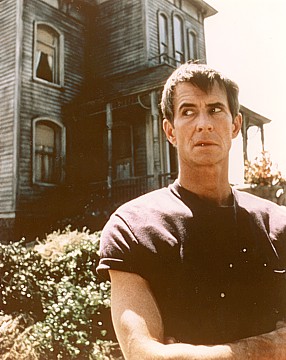
Nick Eaves (a Norman Bates look-a-like), President and COO of WEG was interviewed for this piece. He gave the real reasons betting is supposedly up at Woodbine but then embellished embellished embellished to make it look like his company is doing something special.
Bets on live standardbred racing is up over 10% at Woodbine. Why? Simple, eight more racing dates (an increase of 15-20%, which should yield a 15-20% increase in betting, not just 10%). And betting is up on all sources by 19%. This was just a combination of a lot more dates overall, and most importantly the fact that WEG made an extra 25% on US bets just because of currency changes from early 2008 versus the first two months of 2009.
Now for the complete utter garbage part of the interview:
***********************************
Some big bettors have come back? That is deceitful at best. A big bettor who was getting a 5-12% rebate offshore would NEVER be attracted to betting through HPI unless they were offered at least a 7% "secret deal." These bettors have also helped move up the handle figures for the first three months at Woodbine.
Only a handful of offshore house have closed, and only a couple have tied up bettor's monies. I know many people who have no problem getting checks from rebaters, and never have had a problem.
Unless Eaves wants to call Youbet, for example a pirate, there are a handful of ADWs located in the USA that will take Canadian customers and offer them a much bigger rebate than the piddly amounts offered by Woodbine.
Though Woodbine tries to screw that up by getting American ADWs to sign deals that doesn't allow them to take on Canadian clients. In other words, they try to make sure that Canadian's only option is to bet into the high takeouts Woodbine offers its faithful customers. A few US based ADWs have made the decision to not sign the contract and therefore not put Woodbine on their betting roster, in order to take Canadian customers.
Woodbine races are difficult to handicap even if with a 10% rebate, so to many Canadians, it is no loss to not be able to bet on Woodbine. Some just bet Woodbine through HPI, but it is only a very small percentage of that type of bettor's action.
Eaves just doesn't get it. To grow Woodbine needs to reduce takeout across the board, or increase rebates across the board for all its customers. Maybe he does get, maybe the WEG execs are just happy with the status quo. But they definitely do not give a rats ass about the bettors.
I wish there would be one racing journalist who has the balls to ask Eaves about the secret 7-10% rebates he gives certain players. But I guess they all want to keep their jobs.
I tried to leave a comment on Jen's blog (she interviewed Eaves as well) about the secret rebates Woodbine offers a few players, but the moderator would not print it. All I can say is, I don't have such a policy on my blog. Feel free to blast away in the comment section. I don't moderate.
HPI might get around 10% of my action. Though I'm honestly embarrassed that it isn't 0%.
"We can't compete with them because, if we did, we'd lose our racing licences," Holmes says. "It's illegal. We can't offer the same opportunities."
***************************************
Jane, you ignor... (oh never mind), but this is total BS. Rebates would be bet back, pools would go up tremendously, and you would attract back the price sensitive bettors from the other venues they bet at. Including attracting some poker players as well. Maybe the odd winner will be created, not the one in one thousand that happens to fluke a big superfecta or win 4 and happens to win in a calendar year. Winners buzz creates more players. That is why rebate shops do well, that is why poker does well. It isn't just the lower takeout created, but the fact that some people actually make money...and this is the best advertising a racetrack can have.
Impossible at Woodbine though, with a collective takeout that is amongst the 10th highest in North America.
What a self defeated attitude Woodbine has. They don't even try, except for the secret deals they cut some horseplayers where they give them a 7-10% rebate which may or may not be illegal.
Betting offshore is not illegal. I can invite an RCMP officer to my house and let him watch me deposit money in my Betfair account, and he can watch while I play. I would get charged with NOTHING.
The racing execs at WEG are a bunch of whining babies pathetically trying to hold on to their jobs.
Beverly Smith writes a completely etherized headline that is misleading to say the least: Racing strong despite weak economy.
Nick Eaves (a Norman Bates look-a-like), President and COO of WEG was interviewed for this piece. He gave the real reasons betting is supposedly up at Woodbine but then embellished embellished embellished to make it look like his company is doing something special.
Bets on live standardbred racing is up over 10% at Woodbine. Why? Simple, eight more racing dates (an increase of 15-20%, which should yield a 15-20% increase in betting, not just 10%). And betting is up on all sources by 19%. This was just a combination of a lot more dates overall, and most importantly the fact that WEG made an extra 25% on US bets just because of currency changes from early 2008 versus the first two months of 2009.
Now for the complete utter garbage part of the interview:
Woodbine is also finding, through its horse-player accounts, that some big bettors, who had left Woodbine years ago to wager at offshore operations, have returned to the Woodbine windows. "A few of those illegal, unlicensed operators have folded as the global economy has done what it's done and customer accounts have been frozen," Eaves said. "Customers haven't been able to get their money out."
Offshore wagering sites are attractive to bettors because they offer rebates of 8 to 12 per cent on wagers, but they don't have the costs that a racetrack has: paying out purses to horsemen, and maintaining the operations of a grandstand and backstretch. The racing industry calls the offshore wagering sites "pirates."
Even though some offshore sites still exist, Eaves said customers are "realizing that it's safer to do business with a land-based, accountable, licensed, tax-paying, regulated company such as ours."
***********************************
Some big bettors have come back? That is deceitful at best. A big bettor who was getting a 5-12% rebate offshore would NEVER be attracted to betting through HPI unless they were offered at least a 7% "secret deal." These bettors have also helped move up the handle figures for the first three months at Woodbine.
Only a handful of offshore house have closed, and only a couple have tied up bettor's monies. I know many people who have no problem getting checks from rebaters, and never have had a problem.
Unless Eaves wants to call Youbet, for example a pirate, there are a handful of ADWs located in the USA that will take Canadian customers and offer them a much bigger rebate than the piddly amounts offered by Woodbine.
Though Woodbine tries to screw that up by getting American ADWs to sign deals that doesn't allow them to take on Canadian clients. In other words, they try to make sure that Canadian's only option is to bet into the high takeouts Woodbine offers its faithful customers. A few US based ADWs have made the decision to not sign the contract and therefore not put Woodbine on their betting roster, in order to take Canadian customers.
Woodbine races are difficult to handicap even if with a 10% rebate, so to many Canadians, it is no loss to not be able to bet on Woodbine. Some just bet Woodbine through HPI, but it is only a very small percentage of that type of bettor's action.
Eaves just doesn't get it. To grow Woodbine needs to reduce takeout across the board, or increase rebates across the board for all its customers. Maybe he does get, maybe the WEG execs are just happy with the status quo. But they definitely do not give a rats ass about the bettors.
I wish there would be one racing journalist who has the balls to ask Eaves about the secret 7-10% rebates he gives certain players. But I guess they all want to keep their jobs.
I tried to leave a comment on Jen's blog (she interviewed Eaves as well) about the secret rebates Woodbine offers a few players, but the moderator would not print it. All I can say is, I don't have such a policy on my blog. Feel free to blast away in the comment section. I don't moderate.
HPI might get around 10% of my action. Though I'm honestly embarrassed that it isn't 0%.
1 April 2009
Stronach To Commission 9 Solid Gold Statues Of Himself
In a surprising move Frank Stronach has conditionally commissioned erecting 9 statues of himself to be placed in front of each of the 9 racetracks troubled bankrupt company Magna Entertainment currently own.
The statues are to be 14 feet high made from solid gold. They will each weigh around 800 pounds. Stronach wants the statues to reflect the real him, so he will not be in a suit but in the clothes he normally wears around his house: a toga, sandals, and the thorny crown he traditionally wears while relaxing at home.
Asked how he will come up with the estimated $140 million to finance the statues, Stronach laughed hysterically at the idea that he would use his own money, instead he has put together a new company called Magna New and Improved Inc. He is working on getting a loan from Magna International to get company off the ground and to pay for the statues. "The loan from Magna should be no problem, after all, Magna is sort of in the metals business any way."
From there he expects to raise more money by going public with the new company, and then he expects to borrow money from banks and financial institutions so that he can buy many of the Magna Entertainment assets at what he calls "a real steal."
When asked about the practicality of erecting the statues Stronach said "in business you gotta spend money to make money."
In other news:
WOODBINE TO DROP TRACK TAKEOUT TO A 15% MAXIMUM
(Special to Cangamble)
Davey Willnut, head honcho at the Woodbine Interdicting Group announced today, that he is going to aggressively drop takeout rates for the 2009 Woodbine thoroughbred meet, when it starts at an unadvertised date sometimes this month.
"It finally hit me that we are not attracting new players," Willnut said, "our illegal collusive tactics just aren't working, we are not the only game in town anymore. Our feeble attempts to eliminate the competition has stopped working, we must compete now in order to grow."
"We've decided that we don't want to depend on mooch degenerate gamblers who just don't care about how ridiculously high are takeouts are," Willnut continued, "they only have limited bankrolls in most cases, and all we have done with our technological advancements is make it easier for these clowns to lose their gambling money in a much faster time."
"We've decided that win, place, and show bets will have a 12% takeout, while all other bets will be at 15%," said Willnut, "I'm sure we will not only get the gambling money from our regular client base, just at a slightly slower rate, but we will also attract many bettors who have left us for Betfair, for example. We will also probably attract many online poker bettors, now that we have made the game possibly beatable. We may even create a buzz amongst bettors who are actually making money or coming very close at least. They may start bringing their friends."
"I was ashamed and disgusted with myself when I read on the Cangamble blog, that Woodbine has the 7th highest track takeout out of 58 racetracks." Willnut when on, "I now consider myself a visionary. I will save horse racing with this initiative. My dad used to call me and my brother dumb and dumber. I'm going to rectify the dumb part of his statement, or was I the dumber...it doesn't matter now, because now I am smart."
"I realize dropping takeouts is a risk, but we ask our cherished loyal customers to take a risk every day when they bet on our product," said Willnut, "For instance, the other tracks out there may not play ball. They may make our product less appealing by ramping up the takeout on our product to much higher levels for their customers, like we do in many instances, or they might not show our signal anymore, like we did when Laurel reduced takeouts last year for 12 days. Many racetrack executives, I have to admit, don't give a rats ass about the betting public, and especially their own customers. They are such unscrupulous, arrogant, idiotic basturds."
Is Davey Willnut worried? "I'm pretty confident our bottom line will increase dramatically from here, but just in case, I'm not going to buy anymore new expensive suits until I know for sure."
FDA Warns of New Disease: Mad Trainer Disease
It seems a newly detected untreatable disease has hit the racing world. Mad Trainer Disease or MTD. It is very prevalent amongst high percentage trainers. The early symptoms are an inflated ego, a certain smugness, and an evasiveness when it comes to hard hitting media questions.
Lab scientists speculate that the cause of the disease is from sharing needles with horses.
The statues are to be 14 feet high made from solid gold. They will each weigh around 800 pounds. Stronach wants the statues to reflect the real him, so he will not be in a suit but in the clothes he normally wears around his house: a toga, sandals, and the thorny crown he traditionally wears while relaxing at home.
Asked how he will come up with the estimated $140 million to finance the statues, Stronach laughed hysterically at the idea that he would use his own money, instead he has put together a new company called Magna New and Improved Inc. He is working on getting a loan from Magna International to get company off the ground and to pay for the statues. "The loan from Magna should be no problem, after all, Magna is sort of in the metals business any way."
From there he expects to raise more money by going public with the new company, and then he expects to borrow money from banks and financial institutions so that he can buy many of the Magna Entertainment assets at what he calls "a real steal."
When asked about the practicality of erecting the statues Stronach said "in business you gotta spend money to make money."
In other news:
WOODBINE TO DROP TRACK TAKEOUT TO A 15% MAXIMUM
(Special to Cangamble)
Davey Willnut, head honcho at the Woodbine Interdicting Group announced today, that he is going to aggressively drop takeout rates for the 2009 Woodbine thoroughbred meet, when it starts at an unadvertised date sometimes this month.
"It finally hit me that we are not attracting new players," Willnut said, "our illegal collusive tactics just aren't working, we are not the only game in town anymore. Our feeble attempts to eliminate the competition has stopped working, we must compete now in order to grow."
"We've decided that we don't want to depend on mooch degenerate gamblers who just don't care about how ridiculously high are takeouts are," Willnut continued, "they only have limited bankrolls in most cases, and all we have done with our technological advancements is make it easier for these clowns to lose their gambling money in a much faster time."
"We've decided that win, place, and show bets will have a 12% takeout, while all other bets will be at 15%," said Willnut, "I'm sure we will not only get the gambling money from our regular client base, just at a slightly slower rate, but we will also attract many bettors who have left us for Betfair, for example. We will also probably attract many online poker bettors, now that we have made the game possibly beatable. We may even create a buzz amongst bettors who are actually making money or coming very close at least. They may start bringing their friends."
"I was ashamed and disgusted with myself when I read on the Cangamble blog, that Woodbine has the 7th highest track takeout out of 58 racetracks." Willnut when on, "I now consider myself a visionary. I will save horse racing with this initiative. My dad used to call me and my brother dumb and dumber. I'm going to rectify the dumb part of his statement, or was I the dumber...it doesn't matter now, because now I am smart."
"I realize dropping takeouts is a risk, but we ask our cherished loyal customers to take a risk every day when they bet on our product," said Willnut, "For instance, the other tracks out there may not play ball. They may make our product less appealing by ramping up the takeout on our product to much higher levels for their customers, like we do in many instances, or they might not show our signal anymore, like we did when Laurel reduced takeouts last year for 12 days. Many racetrack executives, I have to admit, don't give a rats ass about the betting public, and especially their own customers. They are such unscrupulous, arrogant, idiotic basturds."
Is Davey Willnut worried? "I'm pretty confident our bottom line will increase dramatically from here, but just in case, I'm not going to buy anymore new expensive suits until I know for sure."
FDA Warns of New Disease: Mad Trainer Disease
It seems a newly detected untreatable disease has hit the racing world. Mad Trainer Disease or MTD. It is very prevalent amongst high percentage trainers. The early symptoms are an inflated ego, a certain smugness, and an evasiveness when it comes to hard hitting media questions.
Lab scientists speculate that the cause of the disease is from sharing needles with horses.
Subscribe to:
Posts (Atom)